


Destination Management Organizations (DMOs) are increasingly facing the challenge of not only responding to short-term tourism trends but also driving long-term, sustainable transformation processes. In the face of growing global environmental changes, societal expectations, and increasing political demands on the tourism sector, DMOs must expand their role and actively contribute to the sustainable development of their destinations. This requires a shift in mindset and the integration of sustainable practices at all levels of destination management.
Systemic interventions in tourism aim to sustainably transform and improve the entire tourism system. The tourism system is viewed as a complex network of actors, processes, and structures in the region, which interact closely and influence each other.
The TourCert certification for destinations (also known as the “Sustainable Destination” certification) provides a clear and measurable framework to proactively drive this sustainable transformation and establish it as a long-term process. The following core elements are crucial:
- Holistic Approach: Sustainable tourism development requires consideration not only of the needs of guests but also the interests of the region, businesses, employees, local populations, and nature. The TourCert certification demands that this perspective be integrated into all organizational levels and decision-making processes, creating a balanced and long-term sustainable tourism model. This inclusive approach ensures that the responsibility for the tourism ecosystem is not limited to tourism stakeholders alone, but that all relevant parties are actively involved.
- Networking and Collaboration: Systemic interventions like the TourCert certification promote cross-sector collaboration and networking among various actors in the region. This can be achieved through joint projects, partnerships, new forms of cooperation, and the exchange of knowledge and resources.
- Adaptability and Resilience: Systemic interventions such as the TourCert certification aim to make the tourism system more adaptable and resilient, enabling better responses to changes, opportunities, and challenges, such as climate change.

A particularly good example of a successful systemic intervention is Burgenland, Austria, which launched its process for double certification under TourCert and the Austrian Eco-Label in January 2024. The initiative includes three destinations and 171 municipalities, demonstrating how coordinated efforts and clear certification goals can successfully drive a comprehensive transformation towards sustainable tourism.
Florian Größwang, co-founder and senior consultant at TourCert Austria, reports that the initial certifications in Austrian destinations show how challenging it can be for a Destination Management Organization (DMO) to establish genuine participatory processes that actively involve the local population. Additionally, defining measurable KPIs and goals, making them visible through monitoring systems, and translating national climate strategies into actionable guidelines for the DMO and its partners remain key challenges.
In the following, Florian Größwang provides a deeper insight into the certification processes and the underlying strategies and approaches of the Sustainable Destination in Burgenland:
Why Was Certification Sought in This Region?
- The certification of the destinations aligns with both the national certification strategy (based on the Master Plan T for Tourism) and the adopted Burgenland Tourism Strategy Master Plan 2030 (as a high-priority starter project).
- The long-term strategic sustainability process in the destinations aims to promote development in the regions and make actions measurable and transparent.
- It aims to develop a tangible and outwardly visible stance in a nationwide, cross-sectoral network on sustainability, fostering a common language and mindset toward sustainability in the regions and enhancing regional identity and value creation.
- New, communicable, sustainable offerings are to be created to attract new guests to Burgenland and further develop year-round quality tourism.
- The tourism system of the destination is to be prepared for new legislative requirements (e.g., the EU Green Claims Directive, grants, or financing).

Which Systemic Interventions Were Initiated Through the Sustainability Process?
In the Burgenland destinations, a variety of systemic interventions have been initiated at different levels through the sustainability process over the past year:
At the level of Destination Management Organizations (DMOs):
- Organizational development, with team growth and new roles and tasks for a sustainable future tourism in the region.
- The participatory development of a sustainability vision for the DMO.
- Extensive data collection to open evidence-based discussions in the future and make fact-based decisions based on defined KPIs and goals.
- The first-time creation and publication of sustainability reports.
- The development of new funding opportunities for certifying the operational level, making sustainability more visible in the destination.
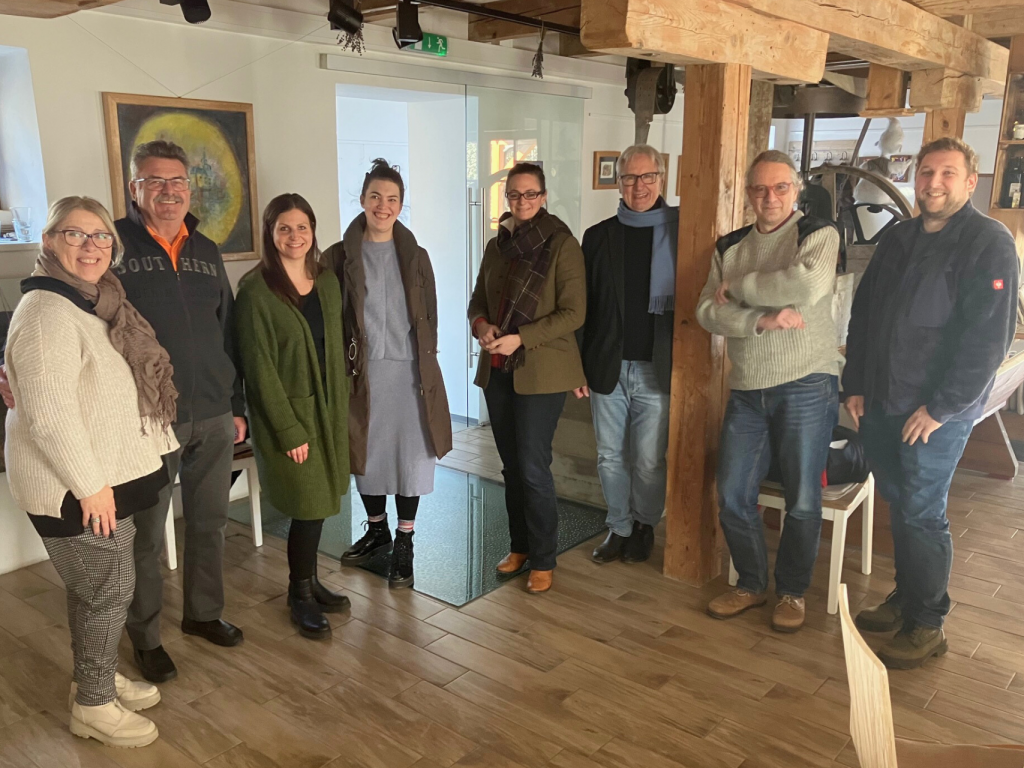
In the collaboration between the regional tourism organization and DMOs, as well as between DMOs across the country:
- Organizational and cultural development with process and role discussions within the system.
- Development of process competencies to navigate complex negotiation processes.
- Joint acquisition of knowledge on data and indicators.
In cross-sectoral cooperation in the region (from a habitat perspective):
- Development of sustainability networks with the establishment of sustainability councils in the regions.
- All municipalities and mayors were engaged in the sustainability process and signed Letters of Intent in support—publicly documenting the appreciation for tourism and the process.
- The development of guest mobility, including the BAST (demand-responsive transport system) with the Burgenland Card, which will be free starting June 1, 2024—this is a significant step forward in regional mobility (for both residents and guests).
- The further development of the myburgenland online shop (www.myburgenland.shop) to strengthen the connection between local producers, craftsmanship, and tourism.

Understanding the New Role of the DMO for the Region as an Opportunity
The financing structures and governance of DMOs will change in the future, requiring a redesign of the balance of interests in their regions. Currently, there are often deficits in process design. Key questions are: What will a participatory governance approach look like in the future, and what must the DMO develop and implement to achieve this? Sustainability processes with certification goals address this by initiating a long-term, externally verifiable process. This allows DMOs, such as in Burgenland, to efficiently and effectively shape regional, cross-sectoral developments with their stakeholders. They offer a method for implementing and communicating sustainable practices and contribute to the systemic development, stability, and resilience of the region.
In summary, sustainability processes with certification goals serve as a valuable systemic tool to foster the sustainable transformation of regions. The decision to embark on such a process is not only an environmental commitment but also a strategic choice that unites economic, social, and ecological benefits and concretizes the future value creation of the DMO in the region.
Tags
Sustainable Destinations, Sustainable regional development, Sustainable tourism, Sustainable tourism Austria, Systemic interventions in tourism, TourCert certification, Tourism sustainability strategy, Tourism transformation process


