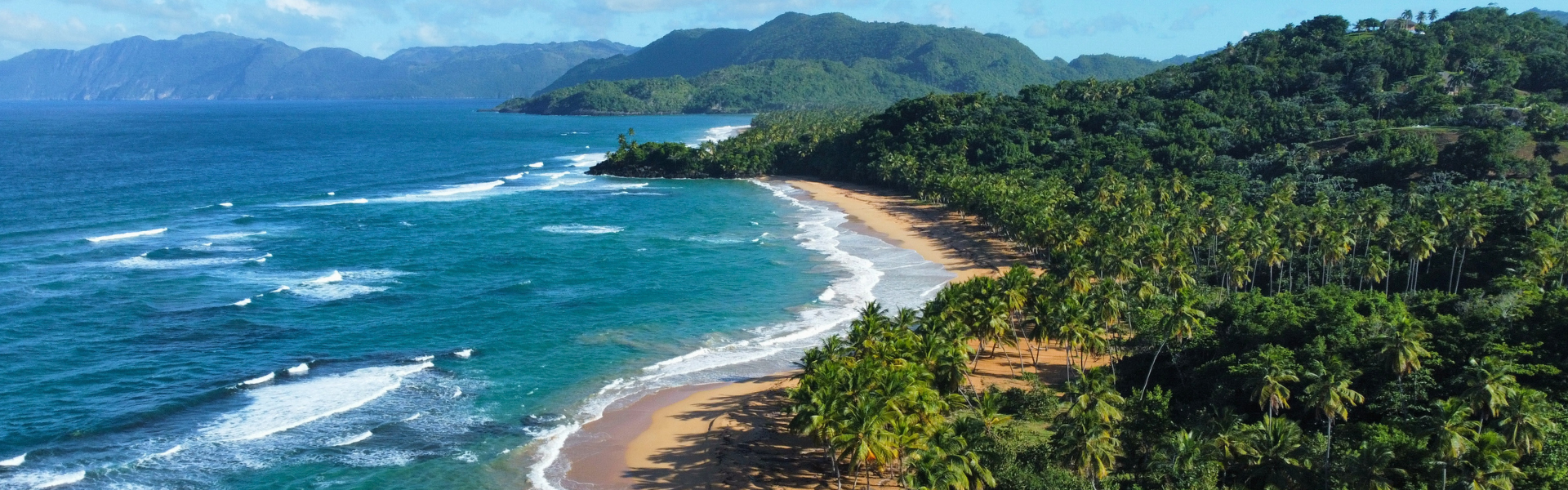


As part of the Tourism Impact Alliance project, we have developed a comprehensive set of Key Performance Indicators (KPIs) designed to enhance sustainability in tourism. These KPIs are currently being tested in several destinations, including the Dominican Republic. In this interview, we speak with Lisette Marie Gil Muñoz, a key figure leading this initiative in the Dominican Republic, specifically in the Samaná province. Lisette shares her valuable insights on the significance of these KPIs in promoting sustainable tourism, the challenges faced during the pilot phase, and how the integration of these indicators can drive substantial and measurable progress. Our discussion also delves into the importance of local collaboration, effective data collection, and the potential of this pilot project to serve as a scalable model for other regions.
With over 30 years of experience in sustainable tourism, Lisette Marie Gil Muñoz has made significant contributions to both the private and public sectors. She played a key role in establishing the first sustainable destination management model in the Dominican Republic and is currently leading the Sustainable Tourism Circuit in Samaná, engaging over 100 local businesses.
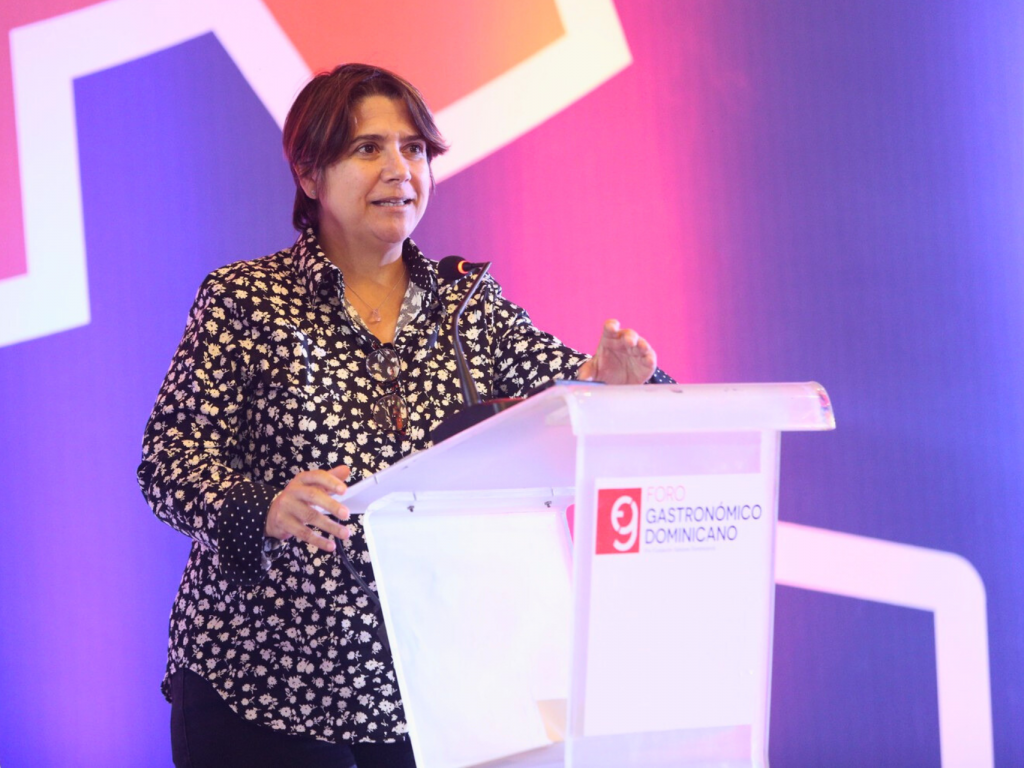
What personally attracted you to this project, and what significance do you see in the introduction of KPIs for tourism in the Dominican Republic?
The ability to measure the impacts of tourism across multiple variables will enable my country to develop tourism sustainably from socio-economic, environmental, and cultural perspectives. I firmly believe that a country should develop its tourism sector primarily to improve the quality of life for its people, and secondarily for the enjoyment of its visitors. In the Dominican Republic, this aspect is not yet viewed in that light. Tourism is a significant generator of foreign exchange, even though the local population may face water shortages or inadequate public services. The most motivating aspect for me is the opportunity to demonstrate this reality through indicators and to convey a message to policymakers using real data. I aspire to a transformation in the Dominican tourism development model. Furthermore, we aim to develop a pilot project in the Dominican Republic, in partnership with TourCert, that will serve as a model and guide for other destinations within the “Destinos del Futuro” network.
To what extent are KPIs already being used on-site in the Dominican Republic, and how have they influenced local tourism development so far?
The indicators currently applied in the Dominican Republic are primarily related to tourism demand and are developed by the Ministry of Tourism (MITUR) and the Central Bank. These include the number of tourists arriving, their origin, average length of stay, average spending, etc. From the supply perspective, only the number of available hotel rooms and direct employment generated are considered. However, there are indicators that are not being taken into account, such as the positive or negative impacts on the environment, the quality of life of residents in a tourist destination, and access to basic services such as healthcare or education. For the first time, with these KPIs, we are delving into this reality together with TourCert, and I hope it will be done systematically and adopted by the Dominican government through the Ministry of Tourism, which has shown interest in doing so.

Which pilot destinations in the Dominican Republic are involved, and why were these chosen?
The province of Samaná is the first destination where these indicators are being tested. This is because it has a horizontal tourism system with a productive chain generated through a Sustainable Tourism Circuit. In this destination, the necessary information is available, making it somewhat easier to respond to the indicators. However, it remains a complex task since many essential tools are still lacking to refine the results.
For example, measuring water consumption requires inference from similar data from other Caribbean destinations, as most tourism businesses do not have installed water meters. There are challenges to overcome in this process, but we are identifying them and working to address them.
What are the specific goals of this pilot phase? How will the pilot testing proceed?
The objectives are twofold. First, we aim to respond to most of the indicators to create a baseline that will serve as the starting point for the regular and systematic continuation of annual measurements. Second, we hope that the application of these indicators will be adopted as an annual practice, showcasing progress or setbacks, which will enable authorities and the private sector to implement corrective measures or improvements.
For this initial phase, we have relied on academia, creating two internship positions for final-year tourism students who are supporting the research and data collection processes
How is data being collected, and what technical tools or methods are you using?
We use several methods. The first is consulting official data and studies conducted by entities with scientific backing. A second method involves surveys of private sector businesses, community stakeholders, and tourists.
At times, we need to infer data, applying simple formulas to calculate and approximate the most accurate possible figures. The official sources we rely on include the National Statistics Office, data from the Central Bank, SITUR studies, among others.
What challenges do you expect during the implementation of the KPIs, and how do you plan to overcome them?
In the Dominican Republic, there is no tradition of monitoring sustainability indicators in tourist destinations, so one of the main challenges is the lack of specific data. Our goal is to raise awareness within the sector and among its professionals so that data collection and monitoring become a routine part of their work.
For now, we must search, research, and create the necessary information—extracting it from other available data and inferring from other destinations in the region that may have made more progress in this area.
Are there specific sustainability indicators that you consider particularly relevant for local tourism development? Why?
Water consumption is critical, as the Dominican Republic has been declared water-stressed, and its communities continue to suffer from the lack of this vital resource. The uncontrolled development of tourism without proper planning exacerbates this already alarming situation.
Additionally, the carrying capacity of sensitive natural areas, such as national parks, is not adequately considered. Some locations, like Saona Island, are extremely popular, receiving over 1.5 million tourists, yet there is virtually no management of wastewater or solid waste. These are two particularly concerning examples. Governance is another crucial factor to consider, and it is one of the key areas on which TourCert focuses and seeks to strengthen in the destinations where it works.
Can you describe how the collaboration with the Ministry of Tourism and other local stakeholders works?
We have excellent relationships with MITUR and local stakeholders, as our role is to provide contributions from a technical and respectful perspective, offering alternative solutions and seeking to collaborate hand in hand in the sustainable development of Samaná. Since 2019, together with TourCert, we have been working in favor of sustainable tourism, and this is highly valued by MITUR, which even considers us advisors on sustainable tourism matters.
What are your long-term expectations from the introduction of KPIs in the Dominican Republic?
We hope that this pilot project we started in Samaná can be implemented in each and every tourist hub of the country and become part of a strategic planning process based on decisions derived from real data from the sector, the territories, and the quality of life of its people. Furthermore, we would love for the pilot to be so successful that it can be replicated in other destinations within the Latin American “Destinos del Futuro” network.
Are there other regions or countries in Latin America and the Caribbean where KPIs are planned to be piloted? Do you see any differences in their application compared to the Dominican Republic?
We all need to apply KPIs, though some minor adjustments may be necessary. For example, a historical-urban destination applying the KPIs will need to adjust the indicators related to ecosystem conservation and biodiversity, as it likely doesn’t have these features. But overall, I believe they are quite effective, and we are going to prove it! We hope that these KPIs will be adopted by other destinations in Latin America that are members of the network, enabling comparative analysis and learnings between our countries.
Thank you, Lisette, for sharing your inspiring vision and for offering such a valuable perspective on how KPIs can truly shape the future of sustainable tourism.
Tags
Community tourism, Destination management, Green certification, Samaná Dominican Republic, Sustainable tourism, Tourism data, Tourism impact, Tourism KPIs, Tourism sustainability indicators, Water consumption tourism


